
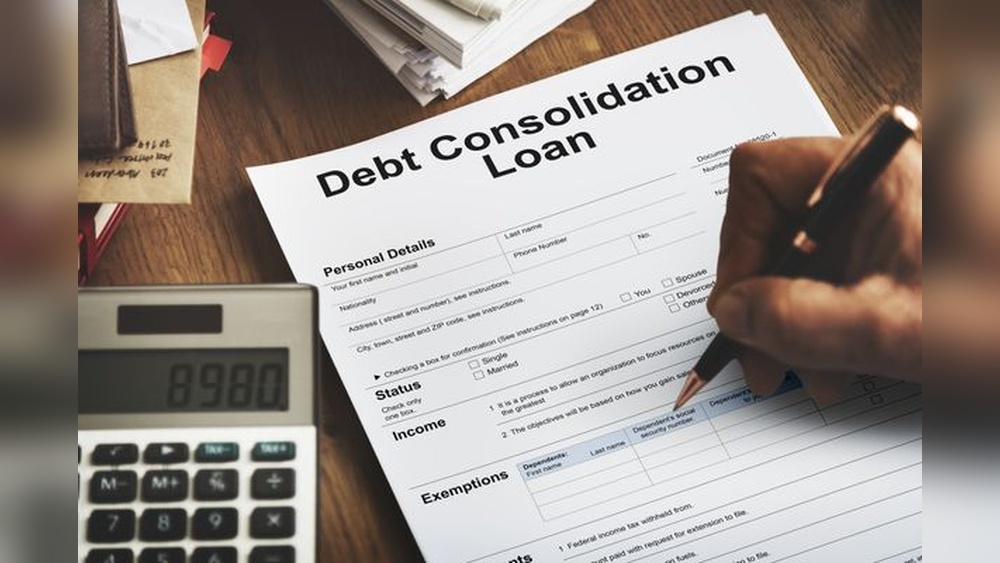
Are you struggling to manage multiple debts and wondering if debt consolidation could be the solution for you? Before you take any steps, it’s crucial to understand if you qualify for a debt consolidation loan.
Checking your eligibility can save you time, effort, and help you avoid unnecessary credit checks that might hurt your score. You’ll learn exactly what factors lenders look at when deciding if you’re a good candidate for debt consolidation. By the end, you’ll know how to quickly assess your chances and what you can do to improve your eligibility.
Keep reading to take control of your finances and find the best way to simplify your debt payments.
Debt Consolidation Basics
Debt consolidation means combining multiple debts into one loan. This can simplify payments and help manage money better. People often use debt consolidation to lower interest rates. It can also reduce monthly payments, making them easier to handle.
Benefits include paying off debt faster and lowering stress. A single payment means less chance to miss a due date. It can improve your credit score over time. Also, debt consolidation may stop calls from many creditors. This helps bring peace of mind and control over finances.
Key Eligibility Factors
Credit score plays a big role in qualifying for debt consolidation. Lenders usually want a score above 600. A higher score means better chances of approval and lower interest rates.
Income and employment status must be steady. Lenders need proof of regular income to ensure you can make payments. Part-time jobs or freelance work may be accepted if income is stable.
The debt-to-income ratio compares your monthly debt payments to income. Most lenders prefer a ratio below 40%. This shows you can manage new loan payments without trouble.
Credit history matters too. Lenders check how you handled past loans and credit cards. Late payments or defaults can lower your chances but don’t always disqualify you.
Types Of Debt Consolidation Loans
Personal loans let you combine multiple debts into one monthly payment. They usually have fixed interest rates and terms. Approval depends on your credit score and income. Home equity loans use your house as collateral. They often offer lower interest rates but carry the risk of losing your home if you can’t pay. Balance transfer credit cards allow you to move debt to a new card with a low or 0% introductory rate. This helps save interest but requires paying off the balance before the rate rises.
Federal debt consolidation options are available for certain types of government-backed loans. These programs may offer fixed interest rates and extended payment plans. Eligibility usually requires meeting specific criteria set by the federal agency.

Using Debt Consolidation Calculators
Debt consolidation calculators help estimate how combining debts affects monthly payments and total interest. They work by asking for your current debts, interest rates, and loan terms. Then, the calculator shows a new monthly payment based on a consolidated loan.
Comparing monthly payments is easy with these tools. Enter your debts, and see how much you pay now versus after consolidation. This helps to find if payments become more affordable or stay similar.
Estimating interest savings is another key feature. The calculator shows how much interest you might save over time by consolidating. This can guide decisions on whether consolidation is worth it.
Common Approval Challenges
Low credit scores make approval tough. Lenders see high risk and may deny loans. High debt-to-income ratios show you owe too much compared to your income. This can stop approval, as lenders want to ensure you can pay back.
Employment gaps raise questions about income stability. Lenders prefer steady jobs to trust loan repayment. Limited credit history means lenders lack info to judge your creditworthiness. This can slow or block approval, as they want to see past behavior.
| Challenge | Effect on Approval |
|---|---|
| Low Credit Score | Increases loan denial risk due to perceived high risk |
| High Debt-to-Income Ratio | Shows inability to handle more debt, reducing approval chances |
| Employment Gaps | Raises doubts about income stability for repayment |
| Limited Credit History | Limits lender’s ability to assess credit risk |
Improving Your Eligibility
Boosting your credit score is key to improving eligibility. Pay bills on time and keep credit card balances low. Avoid opening many new accounts at once. These steps help increase your score steadily.
Reducing existing debt lowers your debt-to-income ratio. Focus on paying off small debts first. This shows lenders you can manage repayments well. Try to avoid adding new debt during this time.
Stabilizing income sources builds lender confidence. Maintain steady employment or regular income for at least six months. If self-employed, keep clear financial records. This proves your ability to repay loans reliably.
Checking your credit report helps spot errors or fraud. Obtain a free copy from credit bureaus. Correct any wrong information quickly. A clean report improves your chances of approval.
Applying For A Debt Consolidation Loan
The prequalification process helps check if a debt consolidation loan fits your needs. It usually needs a soft credit check, so your score is safe. Lenders want to see your income, debts, and credit history before approval.
Documents needed include proof of income, ID, and details of your current debts. These help lenders verify your financial situation quickly.
| Lender Offer | Interest Rate | Loan Term | Fees |
|---|---|---|---|
| Lender A | 8.5% | 3 years | No origination fee |
| Lender B | 7.9% | 5 years | $100 origination fee |
| Lender C | 9.2% | 4 years | No fees |
Understanding loan terms is key. Look at the interest rate, loan length, and any extra fees. Lower rates and shorter terms usually save money. Ask about penalties for paying off early. Clear loan terms help avoid surprises later.
Alternatives To Debt Consolidation
Debt Management Plans help organize payments into one monthly amount. Creditors may reduce interest rates or fees. These plans usually last 3 to 5 years. They require working with a credit counseling agency.
Credit Counseling offers advice on managing money and debts. Counselors review your budget and suggest changes. They can also guide you to debt relief options. This service is often free or low-cost.
Debt Settlement involves negotiating with creditors to lower the total debt. It can reduce the amount owed but may harm credit scores. Payments are made as a lump sum or in installments.
Bankruptcy Considerations are a last resort for serious debt problems. It can erase most debts but affects credit for years. Legal advice is important before choosing this option.
Frequently Asked Questions
How Do I Know If I Qualify For Debt Consolidation?
Qualify for debt consolidation by having a steady income, good credit score, and a manageable debt-to-income ratio. Lenders assess these factors to approve loans. Use online calculators to check eligibility quickly.
How Much Is The Payment On A $50,000 Consolidation Loan?
Monthly payments on a $50,000 consolidation loan vary by interest rate and term. For example, a 5-year loan at 7% APR costs about $990 monthly. Use a loan calculator to get precise payments based on your rate and repayment period.
How To Pay Off $30,000 In Debt In 1 Year?
Create a strict budget, increase income, and cut expenses to free cash. Prioritize high-interest debts. Consider debt consolidation or negotiating lower rates. Stay disciplined and track progress monthly.
Is It Hard To Get Approved For Debt Consolidation?
Approval for debt consolidation depends on credit score, steady income, and debt-to-income ratio. Strong financials make approval easier.
Conclusion
Checking your eligibility for debt consolidation is the first step to take control. Know your credit score and income before applying. Compare offers from different lenders to find the best fit. Clear understanding helps avoid surprises during approval. A smart choice today can lead to easier payments tomorrow.
Stay informed and make decisions that suit your financial needs. Debt consolidation can simplify your finances if you qualify. Keep your goals realistic and plan carefully for success.
Recommended For You
- Flexible Loan Repayment Plans: Smart Solutions for Stress-Free Debt
- Commercial Loan Eligibility Guide: Unlock Approval Secrets Today
- Fair Credit Loan Marketplace: Unlock Trusted & Affordable Options
- Business Expansion Loan Rates: Unlock Growth with Low Interest Deals
- Loan Eligibility Calculator Online: Instantly Boost Your Approval Chances
- Credit Score Loan Matching: Unlock Best Rates Fast & Easy
- Best Unsecured Loan Offers: Top Deals for Quick Cash Today
- Fast Loan Comparison Platform: Find Your Best Deal Instantly
- Multiple Loan Consolidation Rates: Unlock Savings & Lower Payments
- Invoice Financing Loan Option: Boost Cash Flow Fast Today