

Looking to grow your business but worried about the cost? Understanding business expansion loan rates is key to making smart financial decisions that keep your growth on track.
Whether you’re planning to open a new location, upgrade equipment, or hire more staff, knowing how loan rates impact your payments can save you thousands. You’ll discover what affects these rates, where to find the best deals, and how to choose the right loan for your unique needs.
Ready to take control of your business’s future? Let’s dive in and explore everything you need to know about business expansion loan rates.
Business Expansion Loans Basics
Business expansion loans help companies grow by providing funds for new projects. These loans cover buying new equipment, opening new locations, or hiring more staff. They can also pay for marketing or upgrading technology. The loan amount depends on the business needs and lender policies.
There are several types of expansion loans:
- Term loans: Fixed amount with set repayment terms.
- Lines of credit: Flexible borrowing up to a limit.
- SBA loans: Government-backed with lower rates.
- Equipment financing: Loans specifically for buying equipment.
Eligibility often requires a good credit score, steady income, and a solid business plan. Lenders may ask for financial statements and proof of business history. Some loans require collateral, while others do not. Meeting these criteria improves chances of approval.

Current Loan Interest Rates
Average loan interest rates for business expansion in 2024 range from 6% to 12% depending on the lender and loan type. Rates for small business loans tend to be lower, around 6% to 9%, while equipment financing or commercial real estate loans usually have rates closer to 8% to 12%.
Several factors influence loan rates. These include the borrower’s credit score, business revenue, loan amount, and loan term. A higher credit score and steady revenue often lead to better rates. Shorter loan terms usually have lower interest rates.
| Loan Type | Average Interest Rate (2024) |
|---|---|
| Small Business Loan | 6% – 9% |
| Equipment Financing | 7% – 10% |
| Commercial Real Estate Loan | 8% – 12% |
Finding Low Interest Deals
Comparing lenders helps find the best loan rates. Different banks and credit unions offer varied interest rates. Some may charge lower fees but have stricter rules. Others provide flexible terms but higher rates. Checking multiple lenders saves money and reduces risks.
Promotional offers can lower loan costs. Some lenders give discounts or lower rates for the first months. Others waive fees or include perks like free financial advice. These deals make loans cheaper but watch for end dates and conditions.
Negotiation tips boost chances of a better rate. Present a strong business plan and good credit score. Ask lenders if they can match competitors’ offers. Small changes in rates can save thousands over time. Polite and clear communication works best.
Loan Application Process
Required documentation usually includes business financial statements, tax returns, and a business plan. Lenders may ask for personal identification and proof of business ownership. Having these documents ready speeds up the process.
Credit score impact can be significant. A higher score can lead to better loan rates and terms. Lower scores may cause higher interest rates or loan denial. Checking your credit report before applying helps avoid surprises.
Approval timelines vary by lender and loan type. Some lenders approve within a few days, while others take weeks. Preparation and complete documentation can shorten waiting times. Patience is important during this stage.
Managing Loan Costs
APR (Annual Percentage Rate) shows the total yearly cost of a loan. It includes the interest rate plus other fees. The interest rate only reflects the cost to borrow money.
Loan fees and penalties can add extra costs. Some loans charge fees for late payments or early repayment. These costs can increase the loan’s overall price.
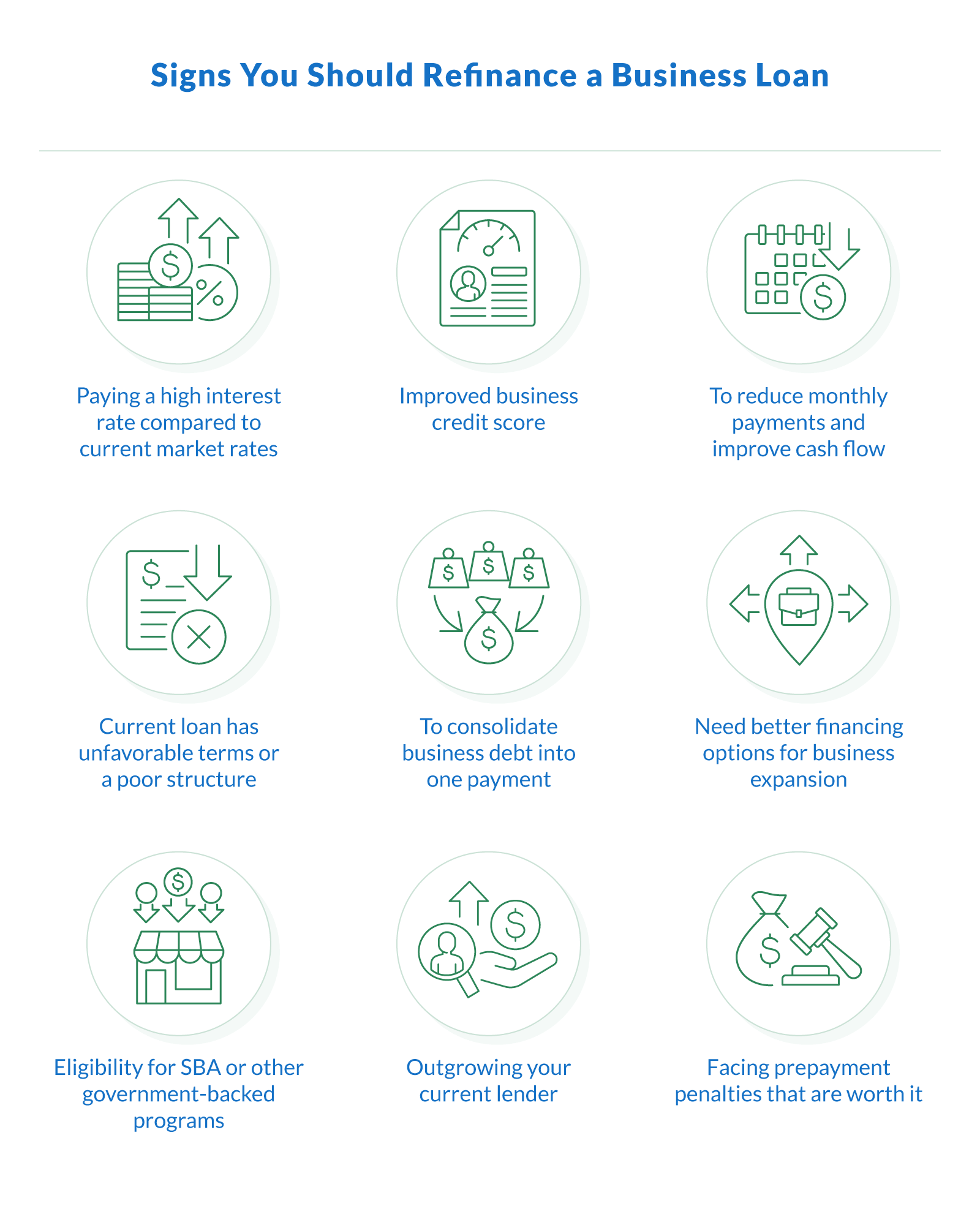
| Refinancing Option | Benefit | Consideration |
|---|---|---|
| Lower Interest Rate | Reduces monthly payments | May require good credit score |
| Extended Loan Term | More time to repay | Could increase total interest |
| Debt Consolidation | Simplifies payments | May involve fees |
Maximizing Business Growth
Using a business expansion loan wisely helps grow your company. Spending loan funds on equipment upgrades can improve work speed and quality. Hiring new staff brings fresh skills and eases workload.
Expanding to new locations opens doors to more customers. It also spreads business risks over different areas. Careful planning ensures the loan supports growth without causing money problems.
| Smart Use of Loan Funds | Benefits |
|---|---|
| Investing in Equipment | Improves productivity and product quality |
| Hiring New Staff | Increases skills and reduces workload |
| Expanding Locations | Reaches new customers and reduces risks |
Local Insights: Austin, Texas
Austin, Texas offers several lender options for business expansion loans. Local banks, credit unions, and online lenders compete to provide competitive interest rates and flexible terms. Borrowers can choose based on loan amount, repayment period, and customer service.
Economic factors in Austin influence loan rates. The city’s growing tech and real estate markets drive demand for capital. Inflation rates and Federal Reserve policies also affect borrowing costs. Business owners should watch these elements closely to time their loan applications.
| Success Story | Loan Use | Result |
|---|---|---|
| Local Startup | Equipment Purchase | Increased production by 30% |
| Restaurant Owner | New Location | Doubled customer base in 1 year |
| Retail Shop | Inventory Expansion | Boosted sales during holiday season |

Frequently Asked Questions
What Is The 20% Rule For Sba?
The 20% rule for SBA limits an owner’s equity investment to 20% of the total project cost. It ensures sufficient borrower commitment.
Can I Get A Loan To Expand My Business?
Yes, you can get a business expansion loan to fund growth, equipment upgrades, or hiring new staff. Lenders offer various loan options with competitive rates. Meeting eligibility criteria and having a solid business plan improves approval chances. Explore local banks, credit unions, or online lenders for suitable loans.
Is It Legal To Charge 30% Interest?
Charging 30% interest may be legal but depends on state usury laws. Some states cap rates lower. Always check local regulations.
What Is The Current Interest Rate On A Business Loan?
Current business loan interest rates typically range from 6% to 13%, depending on credit score, loan type, and lender. Rates fluctuate with market conditions.
Conclusion
Choosing the right business expansion loan rate matters a lot. Lower rates save money over time. Compare offers from different lenders carefully. Know your credit score before applying. Understand loan terms and fees clearly. Planning helps avoid surprises later. A smart loan can support growth goals.
Keep track of payments to build credit. Act wisely to secure the best deal. Your business future depends on smart borrowing.
Recommended For You
- Flexible Loan Repayment Plans: Smart Solutions for Stress-Free Debt
- Commercial Loan Eligibility Guide: Unlock Approval Secrets Today
- Fair Credit Loan Marketplace: Unlock Trusted & Affordable Options
- Loan Eligibility Calculator Online: Instantly Boost Your Approval Chances
- Debt Consolidation Eligibility Check: Unlock Your Financial Freedom Today
- Credit Score Loan Matching: Unlock Best Rates Fast & Easy
- Best Unsecured Loan Offers: Top Deals for Quick Cash Today
- Fast Loan Comparison Platform: Find Your Best Deal Instantly
- Multiple Loan Consolidation Rates: Unlock Savings & Lower Payments
- Invoice Financing Loan Option: Boost Cash Flow Fast Today