Are you feeling overwhelmed by your loan payments? You’re not alone.
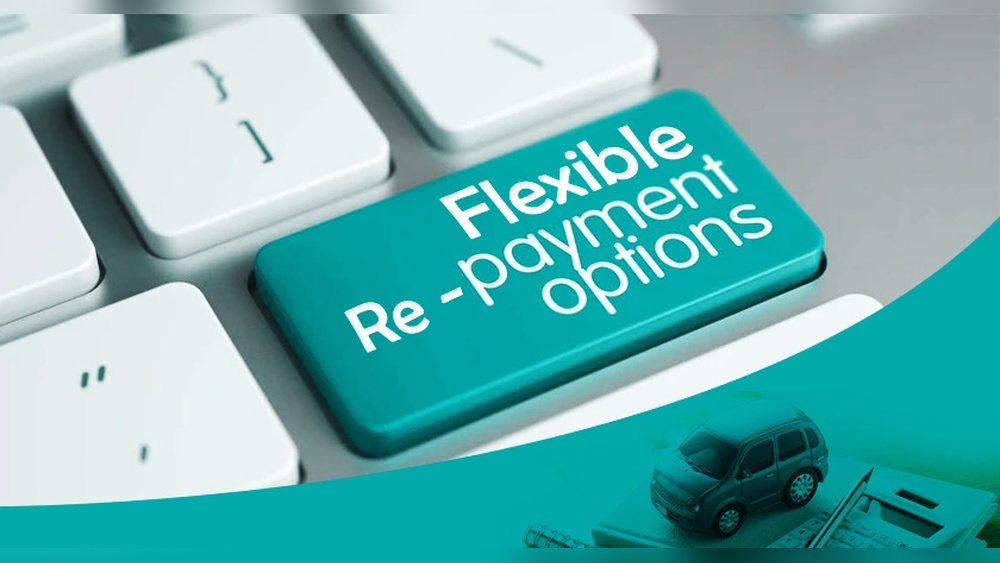
Managing loans can be stressful, especially when life throws unexpected expenses your way. That’s where flexible loan repayment plans come in—they give you control over how and when you pay back your loan. Imagine having the freedom to adjust your monthly payments to fit your budget or even shorten or extend your loan term based on your needs.
You’ll discover how flexible repayment options can ease your financial burden, help you avoid missed payments, and keep you on track toward your goals. Keep reading to find out which flexible plan might be right for you and how it can transform your loan experience.
Benefits Of Flexible Loan Repayment
Flexible loan repayment plans help reduce financial stress by letting you pay what you can afford. This ease stops money worries from building up. If your income changes, these plans can adjust your payment amounts or dates. This means you won’t fall behind if you lose a job or earn less for a while.
Such plans also help avoid default and penalties. Missing payments can cause extra fees and damage credit scores. Flexible options keep you on track, making it easier to manage your loan over time. You can choose plans like fixed payments, step-up or step-down EMIs, or change loan tenure to fit your needs.

Common Flexible Repayment Options
Fixed EMI Plans let you pay the same amount each month. This helps in easy budgeting and avoids surprises. You pay a fixed sum until the loan ends.
Step-Up and Step-Down EMIs allow changes in your payment. Step-Up means your EMI starts low and increases later. Step-Down means your EMI starts high and decreases over time. This suits changing incomes.
Part-Prepayments let you pay extra money sometimes. This reduces the loan amount or tenure. You save on interest costs by paying early.
Changing Loan Tenure means you can make your loan longer or shorter. Longer tenure lowers EMI but increases interest. Shorter tenure raises EMI but cuts interest.
Refinancing and Balance Transfers let you switch loans to a different lender. This may offer better interest rates or terms. Helps reduce monthly payments or total cost.
Flexible Plans For Student Loans
Income-Driven Repayment Plans adjust monthly payments based on your income. Payments stay low if income is low. This plan helps avoid financial stress by matching payments to what you earn.
Graduated Repayment Options start with lower payments that increase every two years. This suits borrowers expecting income growth over time. It eases early financial burden while preparing for higher future payments.
Deferment and Forbearance allow temporary pause or reduction in payments during hardship. Interest may still accrue depending on loan type. These options provide relief without defaulting on loans.
Public Service Loan Forgiveness forgives remaining loan balance after 10 years of qualifying payments in public service jobs. It rewards work in government and nonprofit sectors, easing long-term debt.
Choosing The Right Repayment Plan
Start by checking your monthly income and expenses. Know how much money you have left after paying bills. This helps to pick a plan that suits your budget. Look at your current debts and savings too. It’s important to avoid plans that cause stress.
Compare interest rates of different plans. Lower rates save money over time. Some plans have fixed interest; others may change. Also, check if fees apply for early payments or plan changes.
Think about your future income. Will it rise, stay same, or drop? Plans with flexible payments can help if income changes. Choose a plan that fits your life goals and job stability. This way, you stay in control and avoid surprises.
Tips To Manage Flexible Repayments
Regularly check your loan terms to avoid surprises. Note changes in interest rates or payment dates. Keep track of deadlines to stay on time. This helps you plan better and avoid extra fees.
Talk openly with your lender. Clear communication can help adjust your plan if needed. Ask questions if something is unclear. Lenders often offer help if you explain your situation early.
Use repayment calculators to see how different payments affect your loan. These tools show how extra payments or longer terms change your balance. It helps you make smart choices about your money.
Impact On Credit And Financial Goals
Maintaining good credit scores requires paying loans on time. Flexible repayment plans help avoid missed payments by adjusting amounts or dates. Timely payments improve credit history and boost your score. Avoiding late fees and defaults protects your credit health.
Balancing debt and savings is easier with flexible plans. You can lower monthly payments to save money. This helps manage expenses without ignoring debt. Keeping some savings while paying debt reduces financial stress and builds a safety net.
Planning for early loan closure saves interest costs. Some flexible plans allow extra payments without penalties. Paying extra reduces loan term and total interest. Early closure improves financial freedom and credit profile.

Frequently Asked Questions
What Are Flexible Repayment Options?
Flexible repayment options allow borrowers to adjust loan payments, amounts, or terms based on their financial situation. These include fixed EMIs, step-up or step-down EMIs, part-prepayments, tenure changes, and refinancing. Such options help manage cash flow and reduce financial stress effectively.
At What Age Do Most Doctors Pay Off Their Debt?
Most doctors pay off their student debt between ages 35 and 45, depending on loan size and repayment plans.
Should I Choose Ibr Or Icr?
Choose IBR if you need lower, income-based payments. Pick ICR if you want payments tied to your income but capped differently. IBR often suits borrowers with low income; ICR can benefit those with variable incomes or specific loan types. Compare both to fit your financial situation.
How To Pay Off A $30,000 Loan Faster?
Increase monthly payments, make biweekly payments, cut expenses, apply extra income, and refinance for lower interest rates.
Conclusion
Flexible loan repayment plans offer valuable choices to suit your budget. They help manage payments by adjusting amounts or timing. This flexibility can reduce stress and improve your financial control. Choosing the right plan means you pay comfortably without risking your credit.
Always review options carefully before deciding what fits best. Staying informed helps you avoid missed payments and extra fees. Flexible plans make loan repayment simpler and more manageable for everyone. Consider your income and expenses to pick the best option.
Managing loans well leads to better financial health and peace of mind.